Inspired by water, made for pool—Professional pool product manufacturer since 1992
astrowavecn@gmail.com +86 15976410611


Views: 36 Author: Site Editor Publish Time: 2025-11-11 Origin: Site
Elevate your pool's atmosphere and ensure nighttime safety with premium lighting. Among the leading choices today are Stainless Steel RGB LED Pool Lights, celebrated for their exceptional durability, dynamic colors, and superior energy efficiency. This guide provides expert instructions on upgrading, replacing, and installing underwater swimming pool lights, emphasizing the critical importance of IP68 waterproof-rated fixtures and high-quality "underwater lamps" for lasting performance.
Understanding the benefits of RGB LED pool lights reveals why they are a smart investment for any modern pool owner. Here’s what sets them apart:
Unmatched Durability: Stainless steel casings offer robust protection against corrosion and wear.
Energy Efficiency: LED technology consumes substantially less power than traditional incandescent or halogen bulbs, reducing operational costs.
Customizable Ambiance: Effortlessly switch between a spectrum of colors like red, green, and blue to create the perfect mood for any occasion.
Superior Waterproofing: Engineered with an IP68 waterproof rating, these lights are designed for flawless performance while fully submerged.
Choosing these advanced lights delivers significant aesthetic and practical advantages for your swimming pool.


Replacing an underwater swimming pool light is a manageable task with the correct approach. Proper preparation and the use of high-quality IP68 waterproof LED lights are key to a successful, long-lasting installation.
Screwdriver
Replacement underwater lamp (Stainless Steel RGB LED model recommended)
Soft towel or cloth
Voltage meter
Disconnect Power: For your safety, always begin by shutting off the electrical power to the pool light at the circuit breaker.
Remove the Light Fixture: Carefully unscrew the pool light fixture from its niche in the pool wall.
Bring the Fixture to the Deck: Most pool lights have a long cord, allowing you to pull the entire fixture onto the pool deck for easier access.
Disassemble the Fixture: Place the fixture on a soft towel to prevent scratches. Remove the screws holding the lens and gasket in place to open the housing.
Install the New Lamp: Remove the old bulb and replace it with your new underwater lamp. Upgrading to a Stainless Steel RGB LED model is highly recommended for enhanced performance.
Reassemble and Test: Securely reassemble the fixture, ensuring the gasket creates a watertight seal. Temporarily restore power to test the new light and cycle through its color functions if it's an RGB model.
Reinstall the Fixture: After a successful test, turn the power off again. Place the fixture back into its housing and tighten the screws securely.
Final Underwater Test: Restore power one last time to confirm the light operates correctly while submerged.
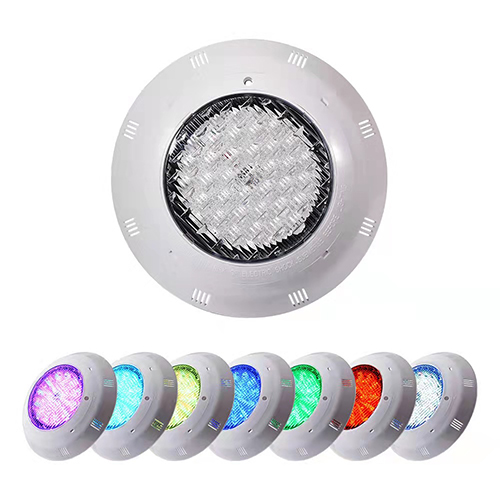

Changing a standard, non-submerged pool light follows a similar process, focusing on safety and proper component selection.
Prepare Your Workspace: Ensure the area is dry and free of any potential hazards.
Cut the Power: As always, disconnect power at the circuit breaker before beginning work.
Access and Replace: Unscrew or unclip the fixture from its position. We recommend upgrading to IP68 waterproof LED lights even for above-water fixtures due to their durability and efficiency.
Secure and Test: Reinstall the new light, restore power, and enjoy the transformative effect a modern Stainless Steel RGB LED Pool Light can have on your pool area.
Adding new lighting fixtures to a pool requires meticulous planning and execution. Follow this guide for a professional-grade installation.
| Installation Step | Description |
|---|---|
| Strategic Placement Planning | Determine the optimal locations for your pool lights to achieve balanced and complete illumination. |
| Select Premium-Grade Lights | Choose Stainless Steel RGB LED Pool Lights with an IP68 waterproof rating for maximum safety and longevity. |
| Prepare Low-Voltage Wiring | Connect the lights to a 12V low-voltage transformer. Route cables underground for a clean and safe installation. |
| Install Niche Fixtures | Drill and install the housing (niche) where each lighting fixture will be secured within the pool wall. |
| Connect and Secure Wiring | Following the manufacturer's instructions, connect the wires to the transformer and secure the light in its housing. |
| Ensure a Watertight Seal | Use high-quality waterproof gaskets or approved sealants to prevent any water infiltration. |
| Final System Test | Before final assembly, thoroughly test each light and the entire system to ensure flawless operation. |
Clean the Lens Regularly: Algae and mineral buildup can dim the light. Gently clean the lens every few months to maintain clarity.
Inspect Gaskets and Seals: Worn gaskets are a primary cause of leaks. Inspect them during maintenance and replace as needed.
Monitor Energy Use: A key benefit of Stainless Steel RGB LED Pool Lights is energy savings. A sudden spike in your electricity bill could signal an issue with the transformer or wiring.


High-quality RGB LED pool lights, especially those with stainless steel casings, can provide up to 50,000 hours of service life.
Yes, LEDs operate at significantly lower temperatures than halogen bulbs, making them a safer lighting option.
Absolutely. Upgrading to RGB LEDs is an excellent way to improve energy efficiency, safety, and poolside ambiance.
The IP68 rating certifies that a device is completely protected against dust ingress and can be continuously submerged in water deeper than one meter without damage.
Yes, they are extremely safe when installed correctly by a qualified professional and powered by a low-voltage transformer.
For premium Stainless Steel RGB LED Pool Lights, Astrowave Pool is the industry's trusted leader. We deliver cutting-edge underwater lighting solutions backed by unparalleled expertise and customer support. Our commitment to honest pricing and robust product design ensures your pool is illuminated perfectly. click to Contact Astrowave Pool.
Or Email us: astrowavecn@gmail.com


