Inspired by water, made for pool—Professional pool product manufacturer since 1992
astrowavecn@gmail.com +86 15976410611


Views: 32 Author: Site Editor Publish Time: 2026-01-13 Origin: Site
Maintaining a clean, safe, and sparkling swimming pool requires more than just routine skimming and chemical treatments. A cornerstone of effective pool water purification is the sand filter. These robust filtration systems are widely popular for their efficiency in removing suspended particles, debris, and impurities from pool water, ensuring crystal-clear conditions for swimmers. This comprehensive guide from Astrowave Pool will delve into selecting the optimal sand for your pool filter, the essential steps for cleaning your sand filter, and a detailed walkthrough for installing a sand filter pump, particularly for above-ground pools.
The performance and longevity of your pool filter heavily depend on the type of filtration media you choose. Selecting the correct sand is crucial for achieving optimal filtration efficiency and minimizing maintenance issues. Here are the primary types of sand and media used in pool filters, each offering distinct advantages:
Silica sand is the most traditional and widely used medium for pool filters. Engineered specifically for pool filtration, it boasts a uniform size and angular shape, typically graded between 0.45 to 0.55 millimeters in diameter. This precise grading allows silica sand to effectively trap dirt, debris, and microscopic particles as water passes through, while still maintaining adequate flow rates. Its cost-effectiveness and proven track record make it a reliable choice for most residential and commercial pool applications. Regular backwashing helps maintain its filtration capabilities by dislodging trapped contaminants.
Zeolite is a natural mineral-based filter media that offers superior filtration capabilities compared to traditional silica sand. Its unique porous structure and larger surface area allow it to trap much finer particles, often down to 3-5 microns, significantly enhancing water clarity. A key advantage of zeolite is its ability to chemically remove ammonia and other chloramines from the water through an ion exchange process, leading to fewer chemical odors and a healthier swimming environment. While often a higher initial investment, its enhanced performance can reduce the need for certain chemical treatments and extend the interval between filter cleanings.
Recycled crushed glass media represents a modern advancement in pool filtration. Manufactured from 100% recycled glass, this environmentally friendly option offers exceptional filtration efficiency, often filtering down to 3 microns. Glass media particles are smoother than silica sand, which makes them less prone to clogging and backwash more easily, requiring less water for the backwash cycle. Its non-porous surface also resists bio-fouling, reducing the likelihood of bacteria and algae growth within the filter bed. Glass sand typically lasts longer than silica sand, providing superior filtration with reduced maintenance and environmental benefits.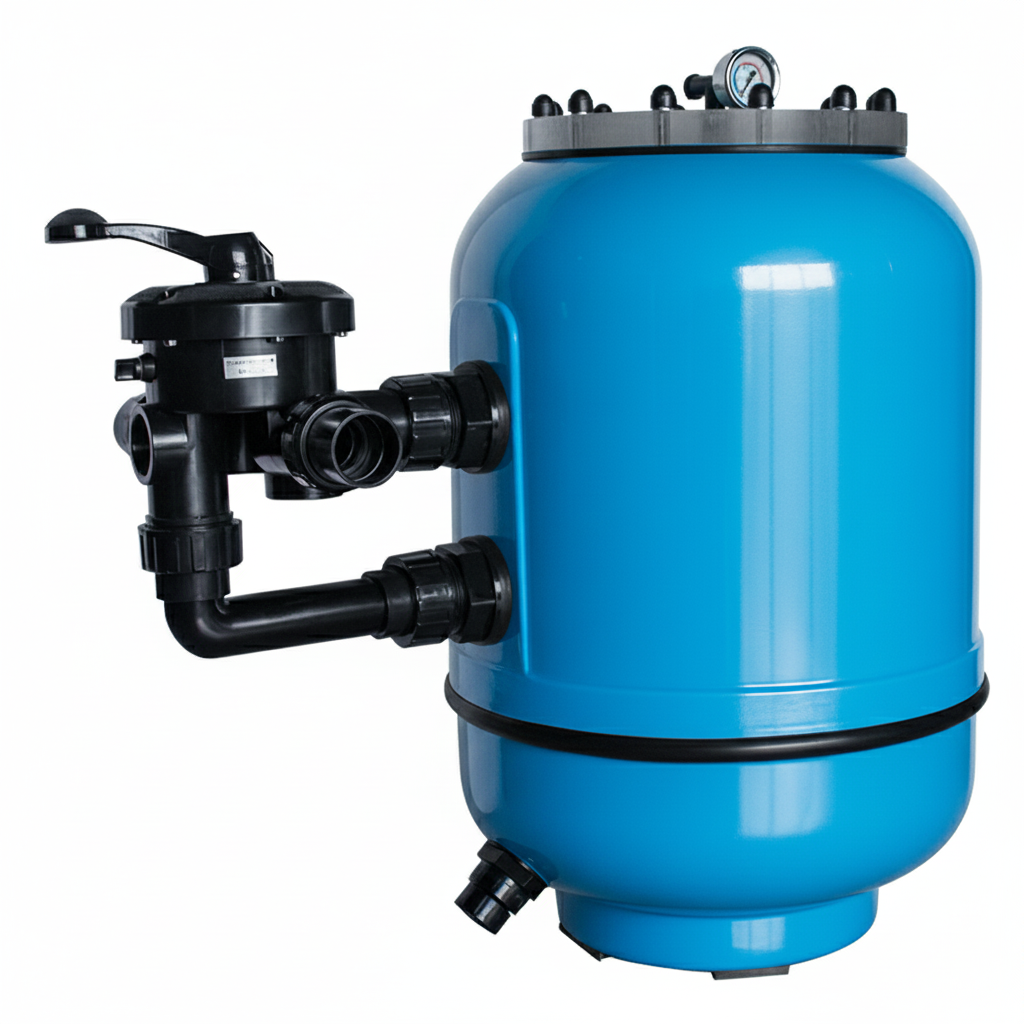
When selecting the media for your pool filter, always adhere to the manufacturer’s specifications. Using an incorrect type or improperly graded sand can drastically reduce the filter's efficiency, compromise water quality, and lead to premature wear or frequent maintenance problems. Astrowave Pool offers a range of high-quality filtration media suitable for various sand filter models, ensuring you get the best performance from your system. For those considering an upgrade or new installation, our Gel-Coated Fiberglass Pool Filter with Large Clear-View Lid provides superior durability and ease of maintenance.
Regular and thorough cleaning of your sand filter is paramount for maintaining its effectiveness and extending its lifespan, especially for a sand filter for above-ground pool. Over time, the filter sand becomes saturated with trapped debris, leading to reduced flow, increased pressure, and diminished filtration performance. Here’s a detailed step-by-step guide on how to properly clean a sand filter for an above-ground pool:
Safety first: Before performing any maintenance on your pool system, always ensure the pool pump is completely turned off at the breaker. This prevents accidental startup and protects against potential electrical hazards or equipment damage.
Locate the air relief valve (usually a small valve or knob) on the top of the filter tank. Slowly open it to release any built-up air pressure within the filter system. You’ll hear a hiss as the air escapes. Close it once water starts to come out, indicating all air has been purged.
Set your multiport valve (the valve with multiple settings on top or side of the filter) to the ‘Backwash’ position. This setting reverses the water flow through the filter, lifting the sand bed and flushing out accumulated dirt and debris. Connect a backwash hose to the waste port if you have one, directing the dirty water away from the pool area. Run the backwash cycle until the water in the sight glass (a clear viewing port on the multiport valve) runs completely clear. This typically takes 2-3 minutes, but may vary based on how dirty the filter is.
After backwashing, set the multiport valve to the ‘Rinse’ position. This step is crucial for re-settling the sand bed and flushing any lingering debris or fine particles from the filter and waste line. Run the rinse cycle for approximately 30 to 60 seconds, or until the sight glass shows clear water again.
Periodically, you may observe a gradual decrease in filter performance or lower water levels in the filter tank. This could indicate that some filter media has been lost during backwashing or has compacted over time. If needed, turn off the pump and open the filter’s top lid to visually inspect the sand level. If the sand is low or appears heavily caked and inefficient, consider topping it up or completely replacing it with the correct type and amount of sand as specified by your filter’s manufacturer. Astrowave Pool offers various filtration media to ensure your system runs at peak efficiency.
Once rinsing is complete, set the multiport valve back to the ‘Filter’ position. Ensure the air relief valve is closed. You can now safely turn the pool pump back on at the breaker. Monitor the pressure gauge on the filter; it should return to its normal operating range. Also, visually inspect all connections for any leaks or operational issues.
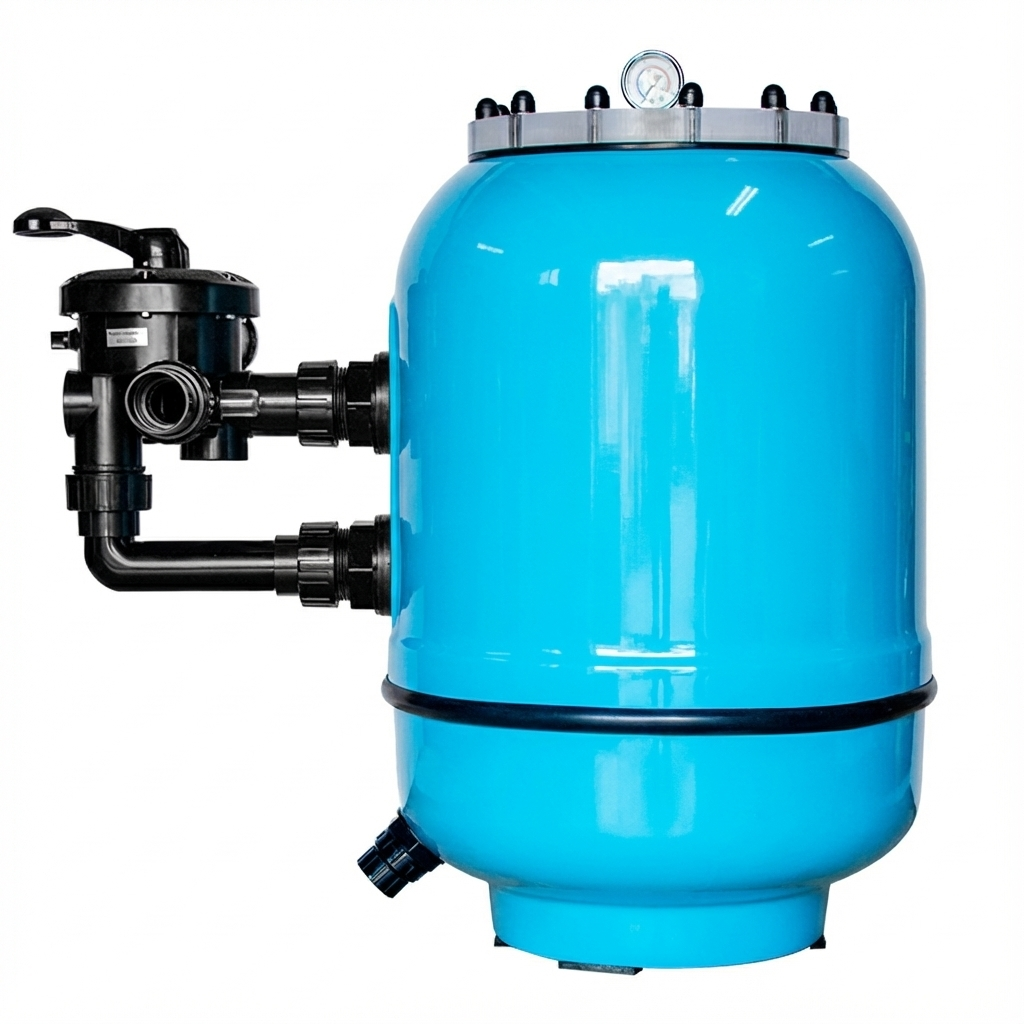
To keep your filter in optimal condition, perform this cleaning routine regularly. During peak swimming season, backwash every 1-2 weeks or whenever the pressure gauge reads 8-10 PSI above its clean starting pressure. Consistent monitoring and maintenance will prolong the life of your filter and ensure consistently clean pool water.
Installing a sand filter pump for your above-ground pool is a manageable task that significantly upgrades your pool’s filtration capabilities. With the right tools and a systematic approach, you can complete the installation efficiently. Here’s a comprehensive step-by-step guide to help you through the process:
Before you begin, ensure you have all the necessary components: the sand filter tank, the pool pump, appropriate hoses and connectors (often included with the filter/pump combo), hose clamps, Teflon tape for threaded connections, and a screwdriver or wrench. Always refer to the manufacturer’s instructions for a complete list specific to your model. Ensure you have the correct type and quantity of filter media ready.
Select a stable, level, and well-drained surface for your sand filter pump system. The ideal location should be as close to the pool as possible to minimize hose length and maximize flow efficiency, but also away from any potential splash zones or hazards like electrical outlets. Ensure there's enough space around the unit for future maintenance and easy access to the multiport valve.
Carefully follow the manufacturer’s instructions to assemble the pump and filter. Typically, this involves attaching the pump’s discharge port to the filter’s inlet (usually marked “Pump” or “In”). Use high-quality hose clamps to secure all connections tightly. For threaded connections, apply Teflon tape clockwise around the threads before tightening to ensure a watertight seal. This is a critical step in setting up the complete pool sand filter system.
Before adding sand, ensure the standpipe inside the filter tank is centered and capped to prevent sand from entering it. Slowly and carefully pour the appropriate amount of filter sand (silica, zeolite, or glass media) into the filter tank. Avoid spilling sand into the standpipe. Distribute the sand evenly and ensure it reaches the recommended fill line, which is typically marked inside the tank. Overfilling or underfilling can impair filtration performance. Once filled, remove the standpipe cap.
Connect the remaining hoses: one from the filter’s return port (marked “Return” or “Pool”) to your pool’s return jet, and another from the skimmer/main drain to the pump's suction side. Secure all connections with hose clamps, ensuring they are tight to prevent air leaks, which can significantly reduce pump efficiency. Always double-check for any loose fittings.
Before turning on the pump, it’s essential to prime it to prevent airlocks and potential damage. Open the skimmer lid and ensure the skimmer basket is clean. Fill the pump basket with water until the water level reaches the top. Securely replace the pump basket lid. This step ensures the pump has water to circulate, allowing it to start efficiently.
With all connections secure and the pump primed, switch on the pump at the breaker. Observe the pressure gauge on the filter; it should rise to its normal operating range. Listen for any unusual noises and check all connections again for leaks. Ensure water is flowing smoothly back into the pool through the return jets. If you experience issues, turn off the pump and recheck connections and priming.
Set the multiport valve on the sand filter to the ‘Filter’ position. Consult your pump and filter user manuals for any specific initial startup instructions or recommended settings. Allow the system to run for a few hours, continuously monitoring for proper operation, consistent water flow, and any signs of leaks or abnormal behavior. This vigilance ensures a smooth and efficient start to your new filtration system.

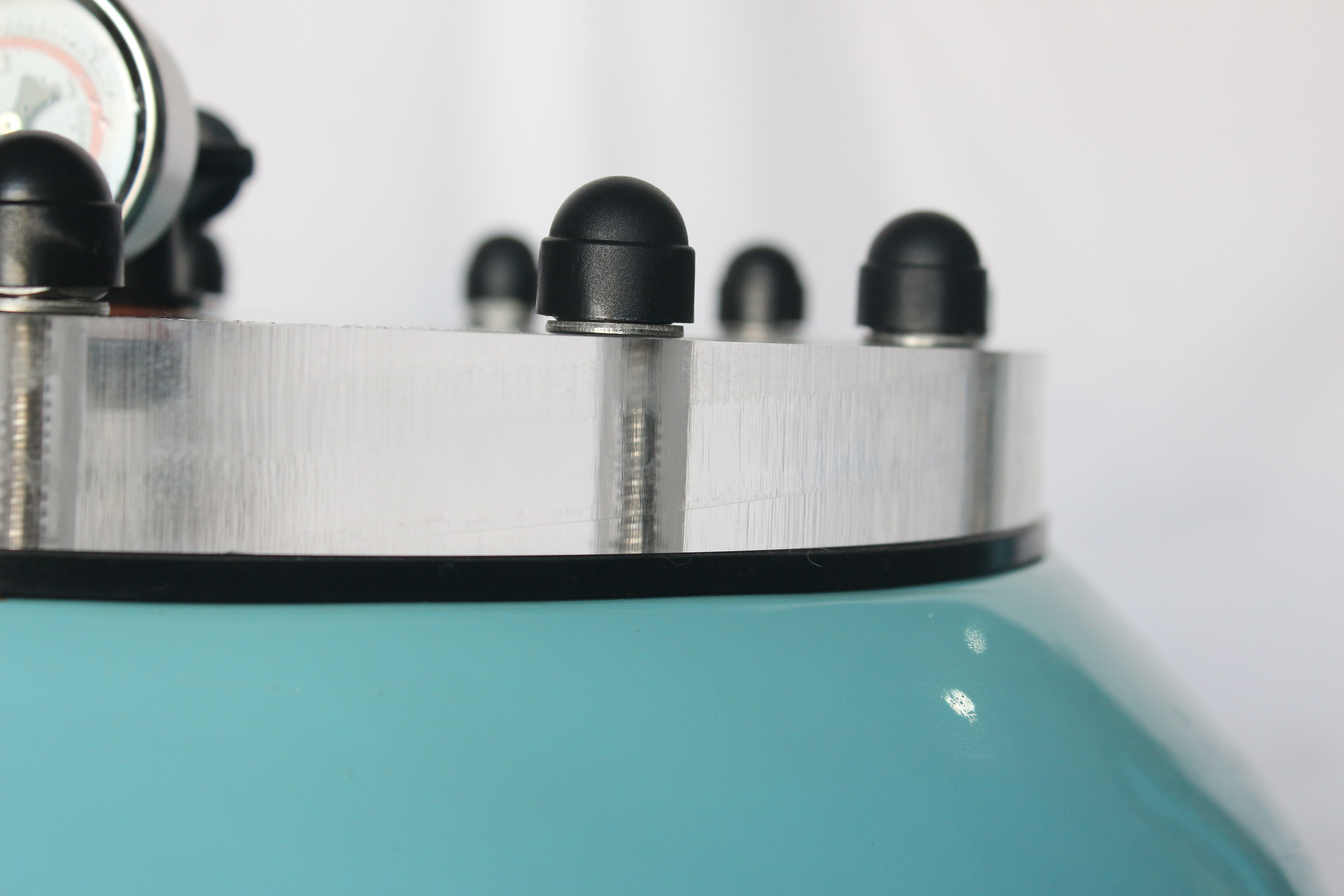
Mastering the selection, maintenance, and installation of your pool’s sand filter system is crucial for ensuring a consistently clean and inviting swimming environment. By choosing the right filtration media, performing regular backwashing and cleaning, and executing a professional installation, you significantly enhance the efficiency and prolong the lifespan of your entire pool filtration system. Astrowave Pool is your trusted partner for high-quality pool equipment, offering a wide range of reliable filtration solutions and components, including our Gel-Coated Fiberglass Pool Filter with Large Clear-View Lid, and expert advice to keep your pool in pristine condition throughout every swimming season. For any questions regarding pool maintenance, filtration systems, or to explore our premium product range, do not hesitate to reach out to Astrowave Pool.
Astrowave Pool
WhatsApp: https://wa.me/8615976410611
Email: astrowavecn@gmail.com
With this comprehensive guide, you are now well-equipped to confidently manage your pool filter maintenance and installation tasks. Enjoy a clean, clear, and inviting swimming pool all season long with Astrowave Pool!
Click to Contact Astrowave Pool


